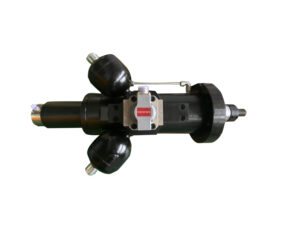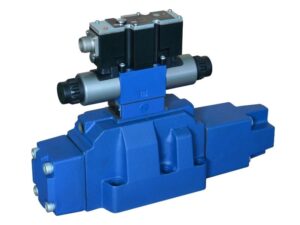
As a core precision part of hydraulic systems, the servo valve acts as the vital heart of equipment. Its working condition directly affects overall system performance and reliability. Widely applied in industrial automation, aerospace, power energy and other key fields, servo valves feature high precision, fast response and superior control performance.
Yet due to delicate structure and strict operating requirements, servo valves easily suffer shortened service life in actual operation. This article analyzes major factors triggering valve failures and offers practical methods to prolong servo valve lifespan.
1 Common Servo Valve Failures & Root Causes
Typical faults include slow response, unstable output, internal and external leakage. Most problems stem from the following reasons:
1.1 Oil Contamination
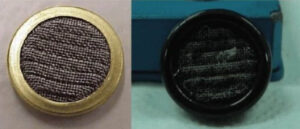
Metal scraps, impurities and fine particles are the top cause of servo valve damage. Contaminants block nozzles and abrade spool and sleeve, lowering control accuracy.
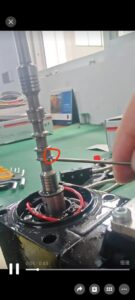
Metal debris stuck in gaps between torque motor magnetizers and armatures reduces air gap distance. It distorts static performance of torque motors and causes spool shaking and abnormal operation.
1.2 Component Wear
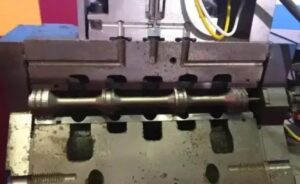
Long-term oil flow scouring wears spool and sleeve. Wear leads to increased leakage. It also narrows servo valve dead zone and raises sensitivity abnormally. Oil pressure pulsation triggers frequent spool swing and actuator jitter.
1.3 High Temperature Damage
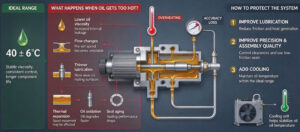
High working temperature brings multiple hazards. Permanent magnet demagnetization causes servo valve zero drift up to ±5%FS. Standard fluororubber seals harden and crack above 150℃, pushing leakage rate up to 3L/min. High heat accelerates hydraulic oil carbonization and results in sluggish spool movement.
1.4 Seal Aging
Seals degrade gradually over service time. Chemical reaction with incompatible hydraulic oil also damages seals, leading to oil leakage and valve blockage.
2 Core Strategies to Extend Servo Valve Service Life
2.1 Oil Contamination Control
Replace pipeline filter elements on a fixed schedule to block pollutants from entering servo valves. Drain residual oil inside filters regularly.
Keep hydraulic oil cleanliness reaching NAS 1638 Class 7 or higher standard. Adopt three-stage filtration system: 10μm large-flow pre-filter, 3μm high-precision middle filter and 1μm magnetic terminal filter.
Change hydraulic oil regularly based on service duration and oil test reports. Recommended replacement cycle is every 10 months to avoid unexpected equipment shutdown.
2.2 Working Temperature Regulation
Stabilize core component temperature within ideal 80-120℃ range. Embedded tiny 1.2mm cooling channels inside valve body adopt dual-circulation cooling with 40℃ softened water.
Install PT100 temperature sensors for real-time monitoring. The system automatically switches to VG68 high-viscosity synthetic ester hydraulic oil once oil temperature exceeds 130℃.
2.3 Material Upgrade & Structural Optimization
–Torque motor: Adopt samarium-cobalt permanent magnet and ceramic insulated coil. Heat resistance rises to 300℃ with magnetic flux loss below 1% per 1000 working hours.
–Spool assembly: Apply WC-Co hard alloy coating. Friction force drops by 40% with strong anti-seize performance.
–Sealing unit: All-metal bellows and graphite gaskets achieve zero leakage, extending service life to 8000 hours.
Use TaC coating on flapper nozzle to prevent oxide accumulation caused by high temperature moisture condensation.
2.4 Routine Inspection & Maintenance
Set up regular inspection work. Check electric signals, fasten wiring terminals and inspect connecting lines to avoid poor contact. Servo valves own high precision and strong contamination sensitivity, which demands strict daily management.
Clean and replace torque motors and pilot valves periodically to eliminate hidden faults. Disassemble servo valves only in clean environment. Cut off electric signals and release hydraulic pressure before removal.
Carry out selective matching repair for worn spool and sleeve. Negative opening fit eliminates actuator jitter caused by abrasion. Do not disassemble servo valves privately. Send faulty valves to professional manufacturers for bench test and repair to prevent component damage.
3 Practical Maintenance Measures
- Build servo valve operation files to record maintenance records, fault logs and performance data.
- Implement spare part rotation mode. Reused cleaned valves cut operational cost effectively.
- Equip simple test bench to distinguish system faults and servo valve defects, and judge reusable conditions.
- Establish long-term cooperation with qualified professional maintenance suppliers to guarantee repair quality.
4 Conclusion
Long servo valve service life relies on systematic full-cycle management. Oil purification, temperature control, material improvement and regular maintenance are all indispensable.
These measures effectively cut failure rate, reduce unplanned downtime and boost production efficiency, bringing solid economic benefits. Prevention works better than troubleshooting. Sound maintenance system ensures stable servo valve operation.
Simple daily operations greatly prolong servo valve lifespan. Scientific maintenance and strict execution create higher e