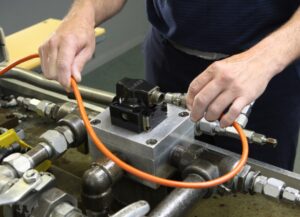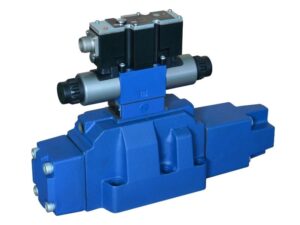
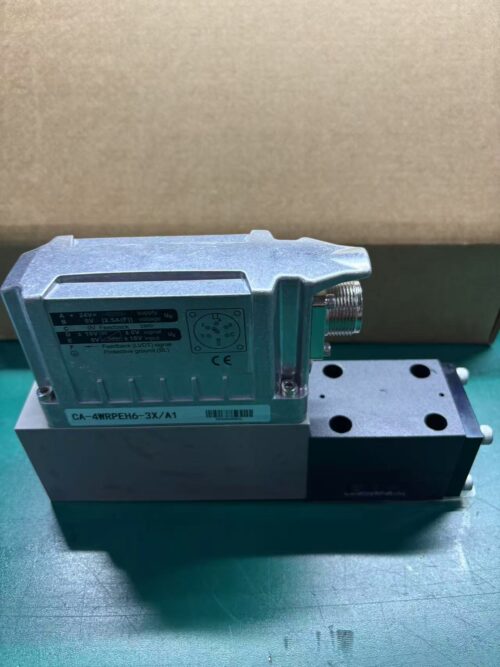
1. What is the Core Working Principle of Electro-Hydraulic Proportional Valves?
First, let’s talk about its basic working logic. An electrical control signal drives a proportional electromagnet. The electromagnet then shifts the valve spool. This spool displacement continuously adjusts hydraulic flow, system pressure or oil flow direction. As a result, the hydraulic system gets stepless, dynamic and closed-loop regulation.
2. What Are the Three Main Types of Electro-Hydraulic Proportional Valves and Their Working Principles?
We divide these valves into three mainstream types based on control functions.
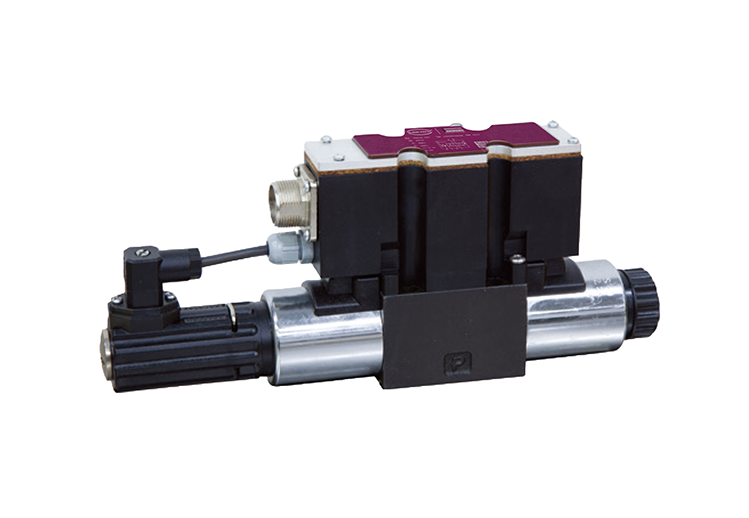
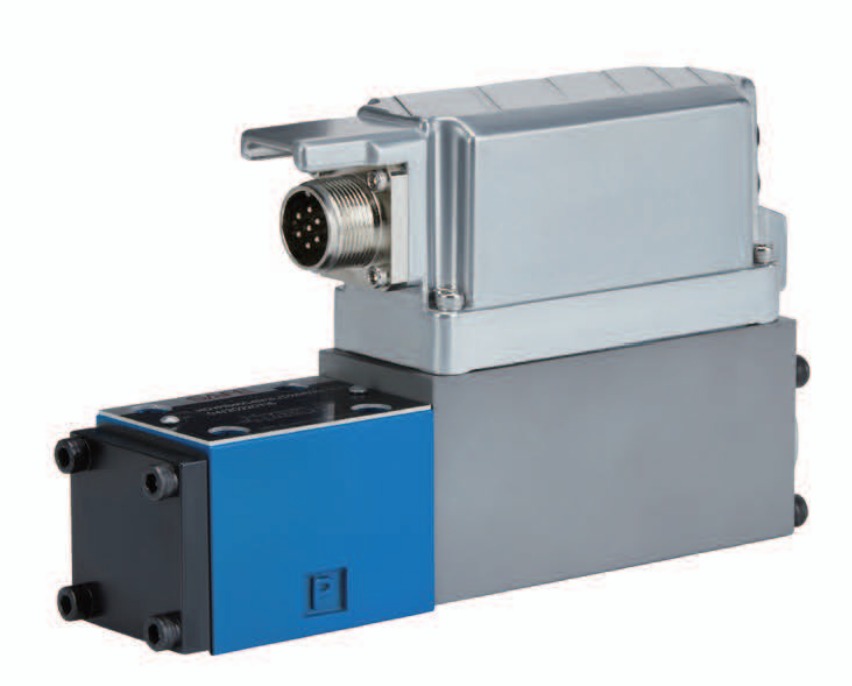
2.1 What is a Proportional Directional Valve? (Most Widely Used, Models: 4WRZ / 4WRKE / 4WRZE)
- Structure: Direct-acting or pilot-operated design. It includes wet proportional electromagnets, centering springs, valve spools and position sensors for closed-loop versions.
- Working Process: It receives control signals of 0–10V voltage or 4–20mA current. The proportional electromagnet generates push force matching the input signal value. This push force moves the spool, changing valve opening size and oil flow paths. Closed-loop models with LVDT sensors track real-time spool position. They automatically correct position errors and keep hysteresis below 1%.
- Core Function: It controls oil flow direction and flow rate at the same time. It enables stepless speed adjustment and directional switch for hydraulic cylinders and hydraulic motors.
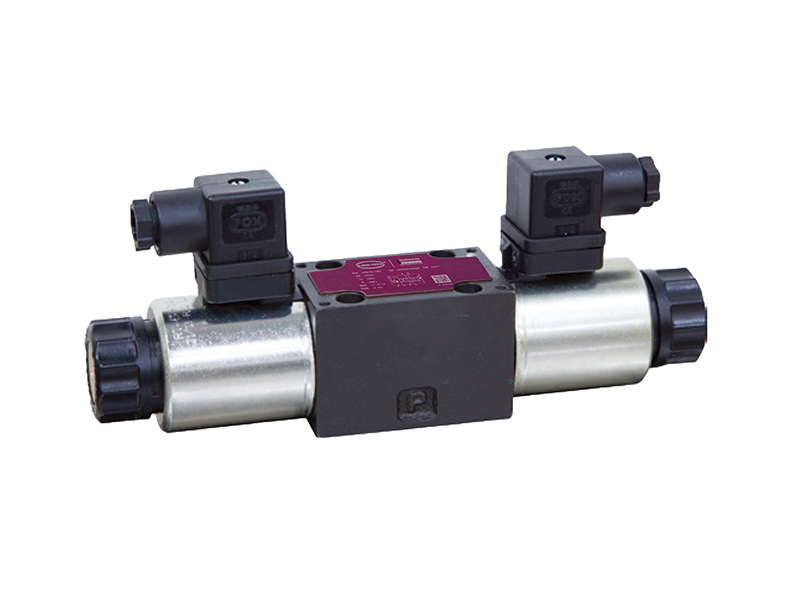
2.2 What is a Proportional Pressure Valve? (Models: 3DREP, DBE)
Its working rule is straightforward. The electric signal creates thrust on the electromagnet. The thrust balances the spool position. It further adjusts the pressure inside the spring chamber. Finally, the valve outputs system pressure proportional to the input signal. We have three common subtypes: proportional relief valves for pressure regulation, proportional reducing valves for pressure reduction, and general proportional pressure control valves.
2.3 What is a Proportional Flow Valve? (Models: 2FRE, Flow-Type 4WRKE)
Here is how it works. The electric signal pushes the spool to move. The spool precisely changes the area of the throttle opening. The valve then delivers stable flow output, even when load pressure fluctuates. This valve delivers excellent linear flow performance, so it fits high-precision speed control scenarios.
3. What Are the Core Performance Characteristics of Electro-Hydraulic Proportional Valves?
3.1 Control Accuracy
Closed-loop proportional valves with position feedback feature hysteresis below 1% and repeat accuracy below 0.5%, with outstanding linearity. Open-loop proportional valves have a hysteresis of 3% to 5% and cost less.
3.2 Response Speed
Direct-acting proportional valves have a response speed of 10–30ms for low-flow scenarios. Pilot-operated proportional valves respond in 40–80ms and apply to large-flow equipment such as 4WRZ32. Digital proportional valves (4WRJE) feature faster response and stronger anti-interference ability.
3.3 Stability and Anti-Interference Performance
Equipped with centering springs and hydraulic centering structures, the valve spool returns to the neutral position automatically after power failure, ensuring safe and reliable operation. Wet electromagnets resist vibration and support a service life of over 10 million cycles. Closed-loop control effectively suppresses performance deviations caused by load fluctuations and temperature drift.
3.4 Flow and Pressure Range
This series of valves covers nominal sizes from NG6 to NG32. The maximum flow rate reaches 1600L/min (4WRZ32 model), and the maximum working pressure is 350 bar.
3.5 Neutral Spool Functions of Directional Valves
O-type neutral position fully closes oil ports to maintain system pressure. Y-type neutral position opens the oil return channel to unload system pressure. P-type neutral position keeps the P pressure port open to support differential connection.
4. What is the Difference Between Direct-Acting and Pilot-Operated Electro-Hydraulic Proportional Valves?
we make a clear comparison between the two mainstream structural types.
4.1 Direct-Acting Proportional Valves (Low Flow)
The proportional electromagnet directly pushes the valve spool according to input signals. It has a simple structure and fast response. It is suitable for NG6/NG16 nominal sizes with a flow rate below 100L/min.
4.2 Pilot-Operated Proportional Valves (High Flow)
The control signal drives the small pilot spool first, and the pilot hydraulic oil further controls the main spool. It supports large flow and high pressure levels. It applies to NG16–NG32 nominal sizes with a flow rate above 100L/min.
5. What Are the Common Models of Electro-Hydraulic Proportional Valves?
Here is a quick reference for mainstream proportional valve models:
- 4WRZ: Pilot-operated open-loop proportional directional valve
- 4WRKE: Open-loop proportional directional valve with integrated OBE amplifier
- 4WRZE: High-precision closed-loop proportional directional valve with position feedback and built-in amplifier
- 4WRJE: New-generation digital proportional valve with hysteresis <1% and faster response
- 3DREP: Proportional pressure reducing valve
- 2FRE: Proportional flow control valve
6. What Are the Key Selection Points for Electro-Hydraulic Proportional Valves?
The following core factors determine the selection of a suitable proportional valve:
- Control function: Confirm directional control, pressure control or flow control demand
- Parameter matching: Select matched nominal size, flow rate and working pressure
- Control mode: Choose open-loop or closed-loop control according to precision requirements
- Signal type: Match 0–10V, 4–20mA or PWM input signal
- Structural parameters: Confirm neutral spool function and installation method