This article breaks down the underlying logic from dynamic behavior, frequency response and transient working conditions, helping you give full play to the precision performance of high-response servo valves and proportional valves and optimize the overall stability of the hydraulic system.
What is the critical weakness of high-response proportional servo valve systems?
Conventional low-frequency hydraulic systems use standard directional valves. Pressure and flow change slowly, so the pump can fully follow load changes.
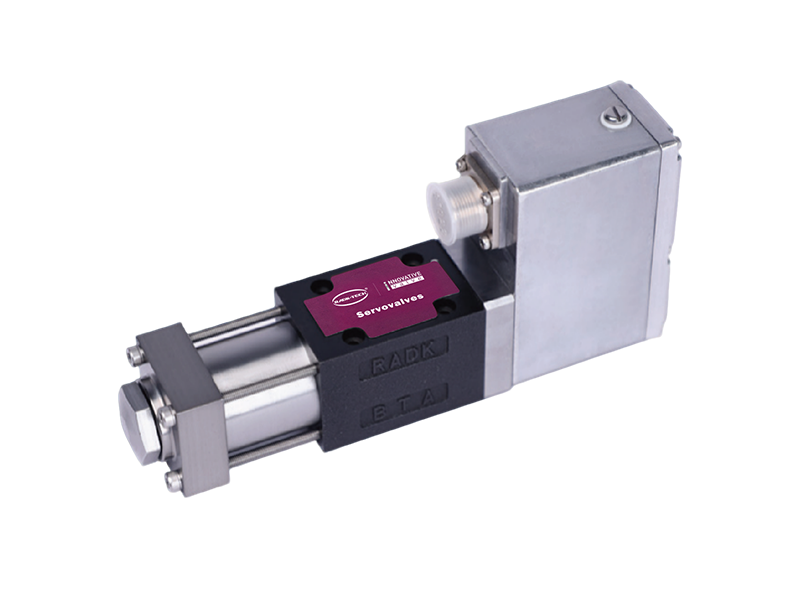
In contrast, high-response servo valves and proportional valves operate at 50–200 Hz, switching flow between zero and full scale within milliseconds. This fast response creates three unavoidable dynamic problems:
1. Pump response cannot keep up with valve response
Gear pumps and piston pumps have mechanical inertia, with a typical response bandwidth of only 5–15 Hz. When servo valves and proportional valves open instantly for high flow demand, the pump lags and causes pressure drop. When valves close rapidly, the pump continues outputting flow and creates pressure spikes. This produces typical high-frequency pressure ripples.
2. Pipeline fluid inertia causes hydraulic oscillation
High-precision systems equipped with servo and proportional valves usually adopt long pipelines. Oil has mass inertia and compressibility. Fast valve switching forms an underdamped second-order oscillation system, resulting in continuous vibration and fluctuation.
3. High-frequency throttling amplifies control errors
Rapid throttling of servo valves and proportional valves generates strong pressure pulses. These pulses reflect repeatedly in the closed hydraulic loop, causing system resonance and reducing positioning accuracy.
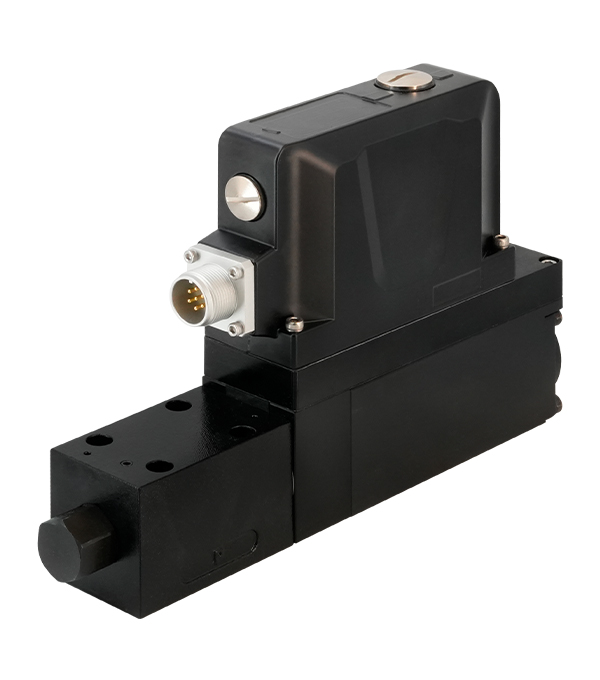
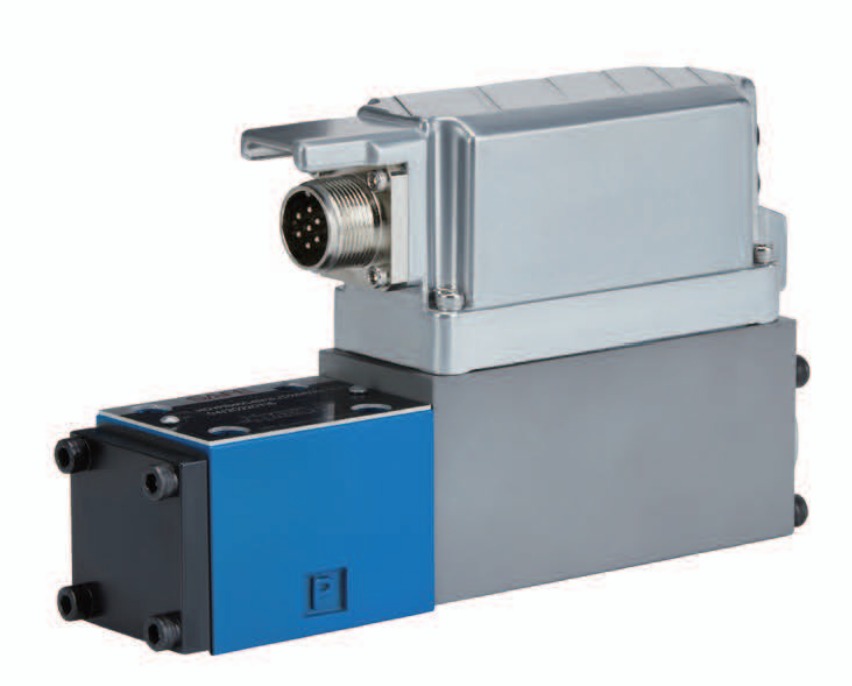
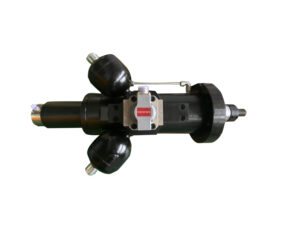
Accumulators: Dynamic Stabilizer for High-Response Valve Control
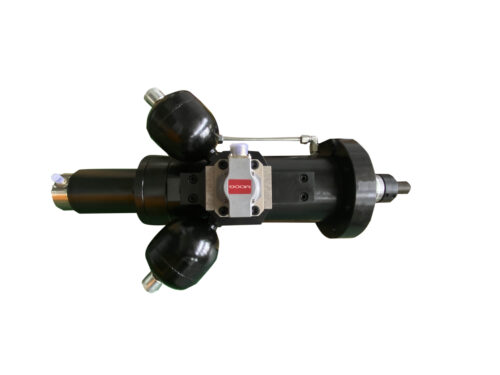
A hydraulic pump provides steady continuous flow, while an accumulator acts as a high-speed buffer. It solves the dynamic mismatch between slow pumps and fast servo / proportional valves, with three core functions:
1. Compensate pump response delay
When high-response valves require instantaneous large flow, the accumulator releases stored oil to supplement flow shortage. When valves close suddenly, the accumulator absorbs excess pressure and eliminates overshoot. It separates steady-state pump supply from transient valve demand.
2. Increase system damping and suppress resonance
The gas chamber of the accumulator optimizes system damping ratio and natural frequency. It eliminates pipeline fluid resonance caused by frequent action of servo valves and proportional valves, making the system stable and convergent.
3. Smooth pressure ripple and improve control bandwidth
The accumulator filters low-frequency pump ripple and high-frequency valve ripple. It stabilizes pressure output, reduces noise, and fully releases the high-precision performance ofproportional
System Performance: With vs. Without Accumulators
The gap is obvious, even when using premium servo and proportional valves:
Without accumulators
– Severe pressure overshoot and slow oscillation attenuation – High-speed jitter and low-speed crawling – Poor repeat positioning accuracy – Severe pipeline vibration and hydraulic noise
With matched accumulators
– Fast pressure response and small overshoot – Smooth motion at all speeds – Greatly reduced servo tracking error – Stable performance to maximize the service precision of servo valves and proportional valves
Accumulator Installation Rules for High-Frequency Valve Systems
To match the dynamic characteristics of high-response servo valves and proportional valves, follow these key principles:
1. Install close to the load and valve actuator
High-frequency dynamic effects are distance-sensitive. Only near-end installation suppresses valve-induced oscillation. Pump-side mounting has almost no effect on high-frequency stability.
2. Adopt short, rigid, large-diameter pipelines
Minimize connection volume and flow loss to match the millisecond-level response of servo and proportional valves.
3. Match high and low frequency accumulators
Large-volume accumulators stabilize low-frequency pressure drift for general proportional valve regulation. Small-volume high-frequency accumulators filter tiny ripples for precise servo valve high-speed switching.
Final Summary
Standard hydraulic systems rely on pumps for pressure stability. High-frequency systems with servo valves and proportional valves rely on accumulators for dynamic stability.
Pumps provide long-term steady flow; accumulators balance millisecond-level dynamic fluctuations. Matching high-quality servo & proportional valves with suitable accumulators is the key to stable, high-precision hydraulic control.
If you need stable, high-bandwidth servo valves and proportional valves for your high-frequency hydraulic system, view our full range of high-response valve models and optimized system solutions.