Abstract
Bigger is not always better for proportional valves. Oversized valve: The spool only opens a tiny fraction near the dead‑zone, causing jitter and unstable control. Undersized valve: The spool goes fully open and saturates, leaving no room for speed adjustment. This workflow helps you avoid both pitfalls.
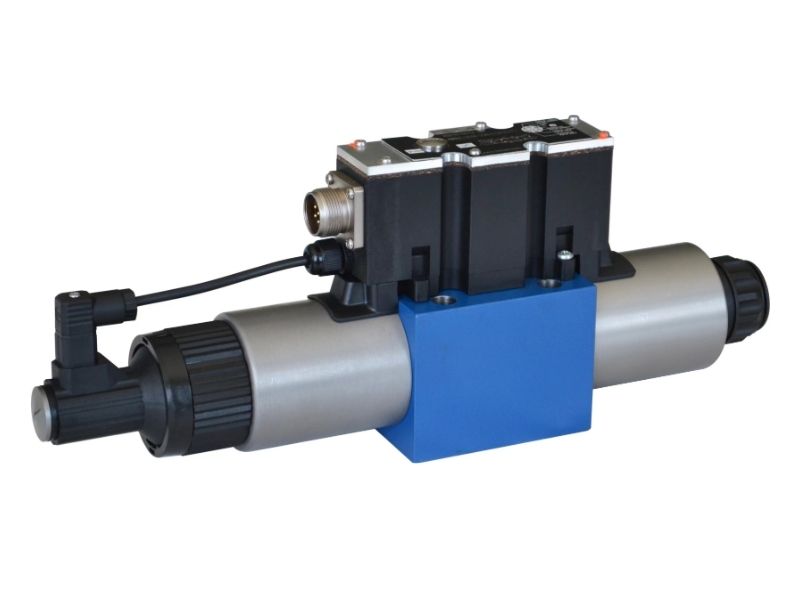
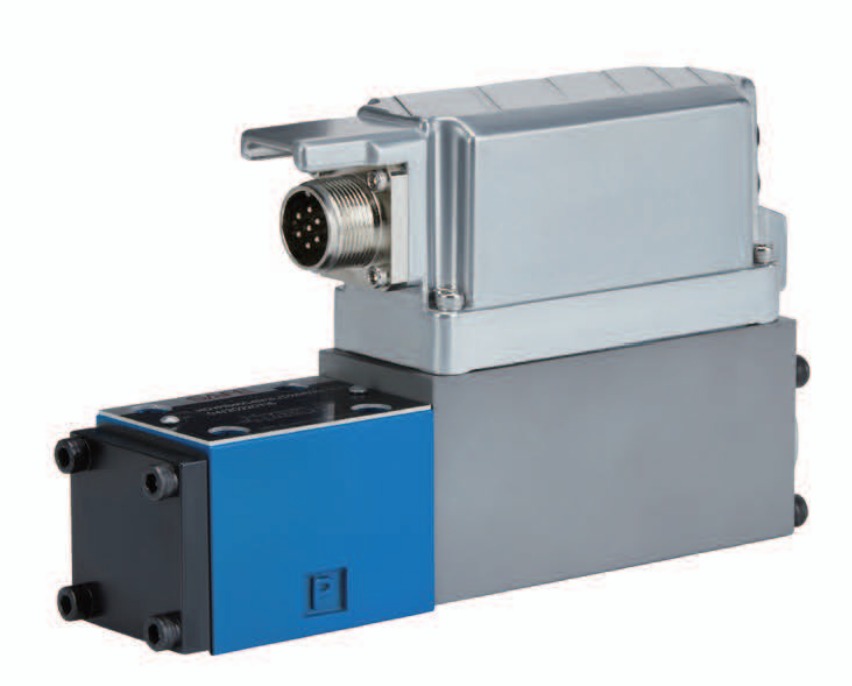
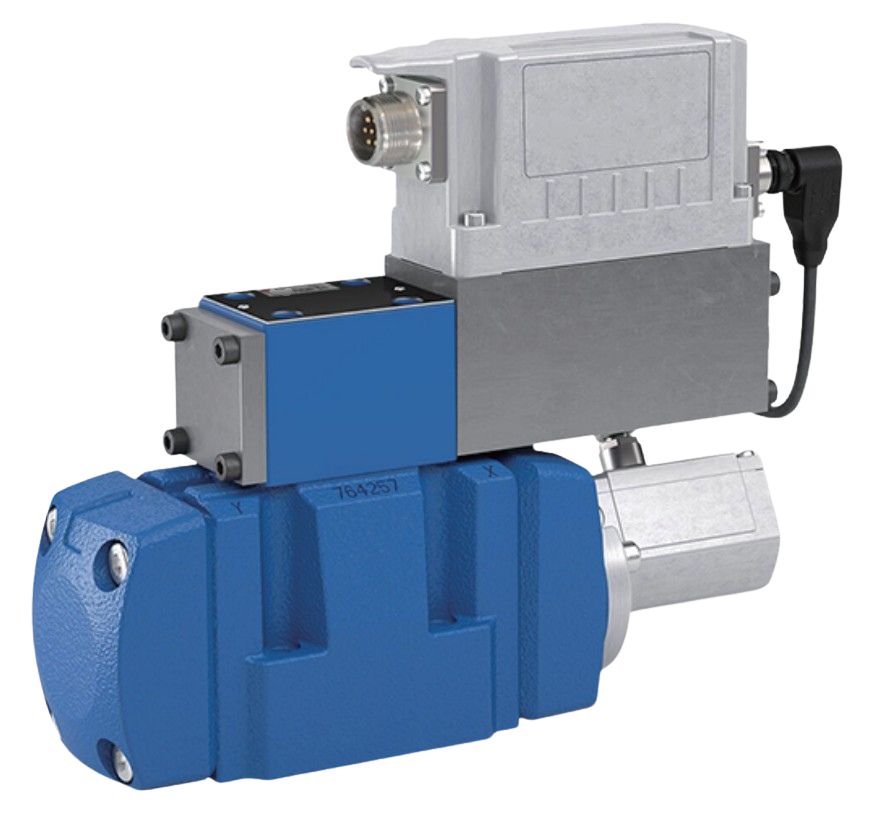
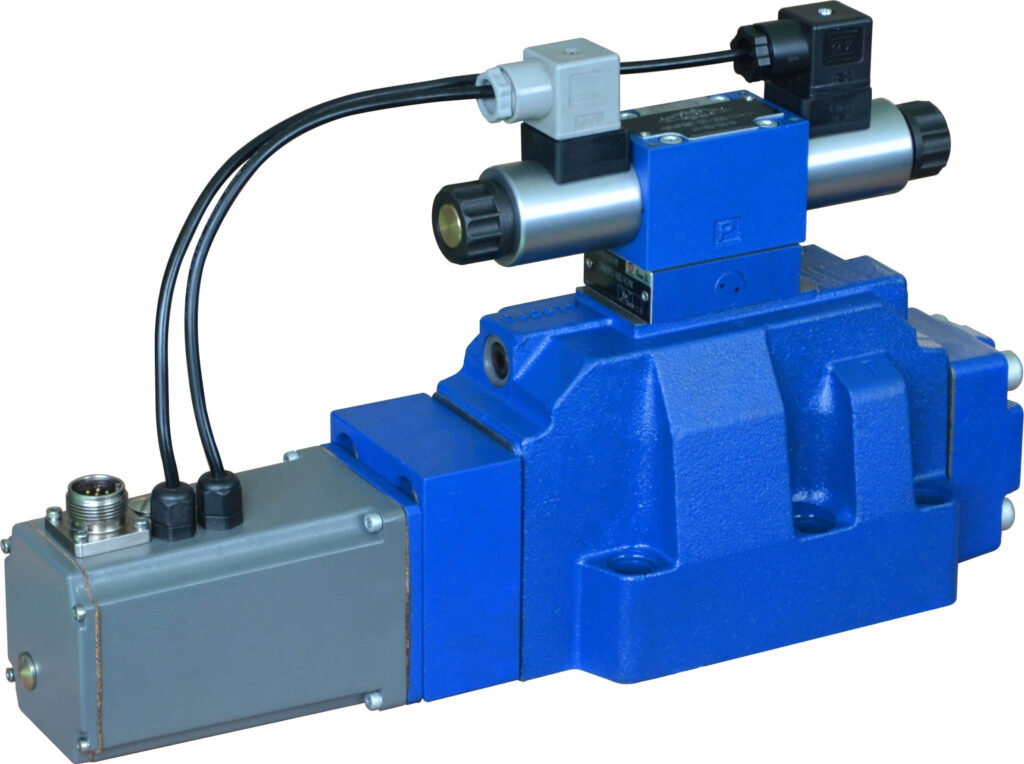
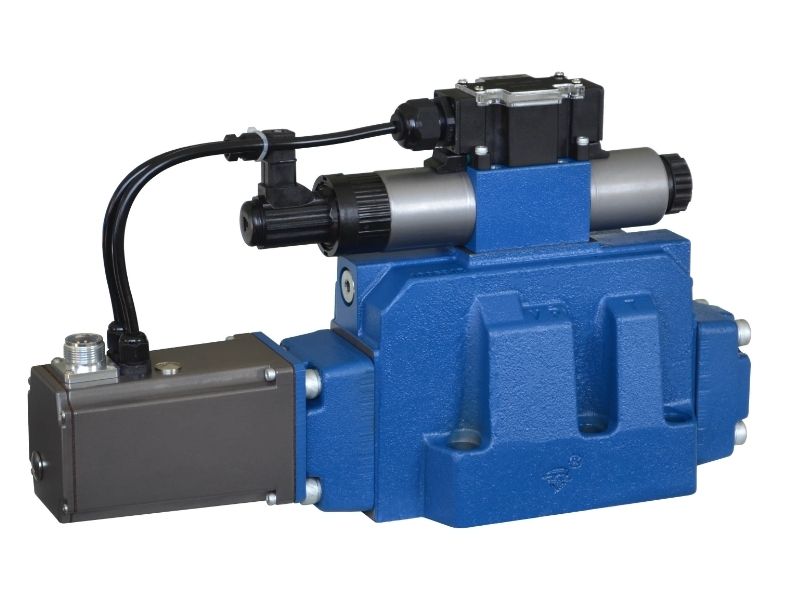
Radk Hydro specialize in proportional and servo valves, Click here to learn more about our proportional and servo valves.. If you need help with valve selection, please contact us. Our technical team will offer professional support for your application.
Step 1: Break down proportional operating conditions (do not only look at maximum flow)
List every machine motion: rapid advance, feed advance, retraction, clamping. Record two values for each motion:
- Required flow rate q (L/min)
- Load pressure Pa (bar, pressure acting on the cylinder during operation)
Common mistake: Sizing the valve purely based on the rapid‑advance maximum flow. Low‑flow, high‑load conditions like feed advance and clamping are the real bottlenecks for valve selection and must not be omitted.
Example:
| Operating Condition | Flow Rate | Load Pressure |
| Rapid advance | 80 L/min | 120 bar |
| Feed advance | 30 L/min | 180 bar |
| Retraction | 60 L/min | 90 bar |
| Clamping | 15 L/min | 200 bar |
Step 2: Calculate valve pressure drop Δp for each condition
Formula: Δp = System supply pressure p − Load pressure Pa
- System supply pressure: Pump setting pressure
- Load pressure Pa: Actual pressure borne by the hydraulic cylinder
- Δp: Pressure differential across the proportional spool; this is the driving force for oil flow through the valve.
👉 Key point: For one given valve, lower differential pressure requires a larger spool opening for the same flow. Example for 30 L/min: High Δp → spool opens 20 % is sufficient. Low Δp → spool has to open up to 70 % to pass 30 L/min.
Step 3: Find the minimum differential pressure as sizing reference
Pick the smallest Δp value calculated from all operating conditions.
⚠️ Conditions with low pressure drop consume the most spool travel and define your sizing bottleneck. Many engineers size valves using rapid‑advance data (high Δp, high flow). Later on, for feed‑advance / clamping with low Δp, available spool travel runs short and the machine cannot be adjusted properly.
Step 4: Preliminary valve size selection, verify spool opening percentage
Using the minimum Δp, refer to the valve datasheet flow‑spool‑opening curve, check the required spool opening percentage for the condition.
✅ Recommended operating range: Spool opening above 15 %, ideally 20 % or more. ❌ If calculated opening is only 5‑10 %: Too close to zero dead‑zone, results in jitter and poor control performance. 👉 Solution: Select the next‑smaller valve size. A smaller valve needs a larger spool opening for the same flow, keeping you away from the dead‑zone.
Misconception: “Larger valve is safer”. An oversized valve will only crack open slightly under low‑flow conditions, operating inside the dead‑zone and causing system oscillation and poor control quality.
Step 5: Verify maximum‑flow condition; avoid 100 % full‑open saturation
Check high‑flow motions such as rapid advance.
The spool must NOT reach 100 % full open. Keep 5‑10 % margin for acceleration / deceleration.
If near full opening: Spool hits end stop, regulation capability is lost, speed becomes uncontrollable.
👉 Solution: Select the next‑larger valve size.
Step 6: Final comprehensive check
Review all operating conditions:
- Low‑Δp bottleneck condition: Spool opening >15‑20 %, stay clear of dead‑zone
- Maximum‑flow condition: Not fully open, retain spare travel margin
- Spool‑opening distribution across all motions should be balanced. Avoid scenarios where one motion opens only 5 % while another runs fully open.
Also take cost and future‑machine‑expansion requirements into account to finalize valve model.
Everyday analogy for easy understanding
magine the proportional‑valve spool is your household water faucet:
- Oversized valve (extra‑large faucet): You only want a trickle of water. You barely turn the handle. Tiny hand movement causes big fluctuation in water flow. (Equivalent to valve dead‑zone: machine jitters, poor control.)
- Undersized valve (small faucet): When you need maximum flow, the faucet is already turned all the way open; you cannot get more water. (Spool saturation, speed cannot be increased.)
Ideal selection target: At minimum required flow, faucet is opened at least 20 %. At maximum required flow, do not crank it fully open; keep some spare rotation margin.