Rexroth proportional servo valves are vital high-performance parts for precision hydraulic control systems. They connect electrical control signals and hydraulic power. Featuring high precision, quick response and stable operation, they provide accurate control for industrial automation, construction machinery, aerospace and other equipment. This guide covers the working principles, static characteristics and daily maintenance of Rexroth proportional servo valves to help engineers operate hydraulic systems reliably.
Radk Hydro is a Chinese manufacturer with 20 years of experience in R&D and production of proportional valves. Our proportional servo valves can fully replace equivalent Rexroth models. Feel free to contact us anytime for technical selection support or quotation requests.
Working Principles of Rexroth Proportional Servo Valves
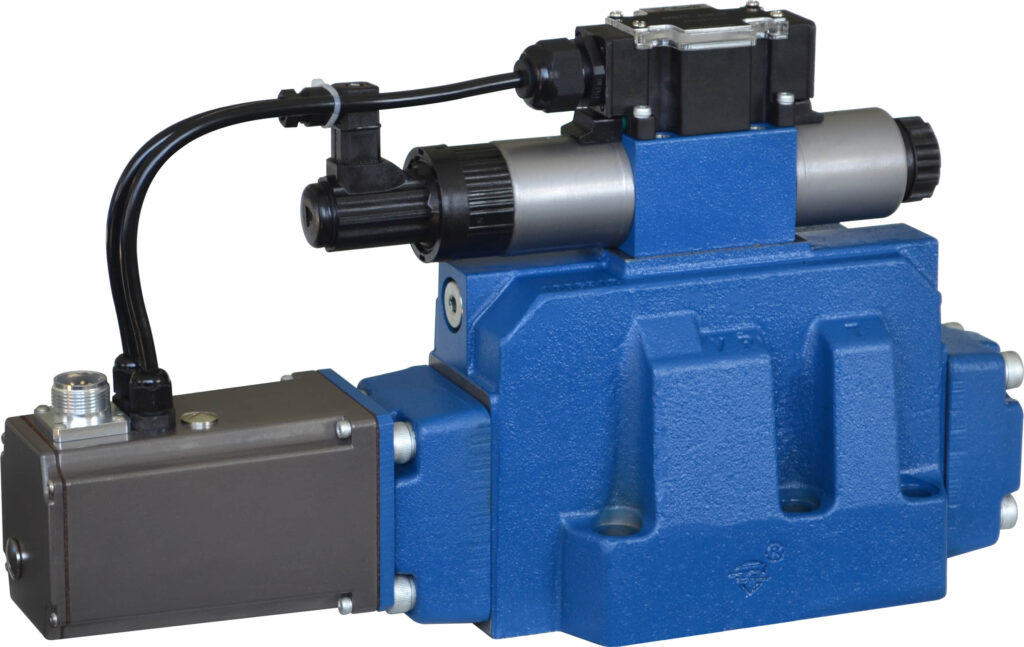
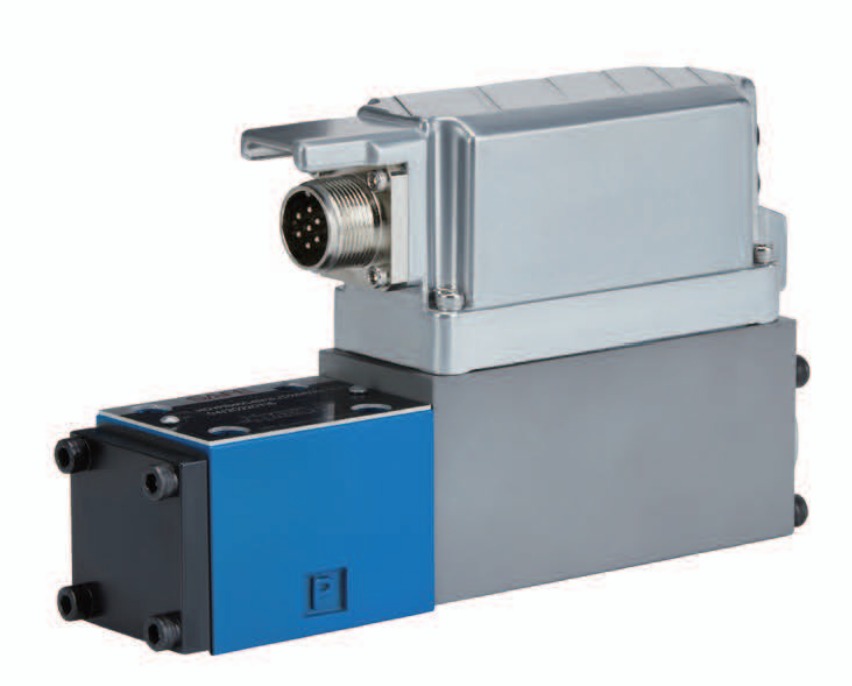
Rexroth proportional servo valves combine strengths of proportional valves and servo valves. They precisely adjust flow, pressure and flow direction inside hydraulic systems. Their main parts include an electro-mechanical converter (proportional solenoid), spool-sleeve assembly and feedback unit.
When external electric signals come in, the proportional solenoid turns electric signals into proportional electromagnetic force. This force pushes the spool to move against spring force, friction and hydraulic flow force. Spool movement changes valve opening size and controls hydraulic oil flow volume and direction. At the same time, a feedback sensor tracks real-time spool position and sends position signals back to the controller. The controller compares input signals and feedback signals. It adjusts incoming electric signals dynamically to lock the spool at the target position. This process forms a tight closed loop and delivers precise control over all hydraulic parameters.
Full Breakdown of Static Characteristics
Flow Characteristics
- Rated Flow
Rexroth sets rated flow under a fixed pressure difference (10 bar as standard). Different valve models carry different rated flow values. For example, the 4WRE6E08 model reaches 8 L/min at 10 bar pressure difference; the 4WRE6E16 model hits 16 L/min. This parameter acts as the core reference for model selection. It guarantees enough oil flow to drive actuators and match required equipment moving speeds.
2. Flow Gain
Flow gain shows how fast output flow changes with input electric signals. Under ideal conditions, flow gain stays constant, so output flow has a linear link with input signals. In real working environments, spool structure, hydraulic force and friction create small fluctuations in flow gain. Valves with smooth linear flow gain curves support steady, precise system control and cut control errors.
3. Flow Hysteresis
Flow hysteresis means the gap between forward and backward output flow with the same input signal. It mainly comes from friction between spool and sleeve, plus magnetic hysteresis inside solenoid parts. Rexroth optimizes structural design and production craft to limit hysteresis at low levels. Some models hold hysteresis below 1.2%. This design lifts overall control accuracy and stops slow response or system vibration under tiny signal adjustments.
Pressure Characteristics
- Pressure Gain
For pressure-control proportional servo valves such as proportional relief valves, pressure gain measures output pressure changes against input electric signals. Pressure gain stays steady within the set pressure range. This lets systems build exact target pressure following control commands. Take the Rexroth DBETX proportional relief valve as an example. It balances electromagnetic force and spool spring force perfectly to maintain stable pressure gain and fit pressure control needs for all working conditions.
2. Pressure Stability
Pressure stability describes a valve’s ability to hold constant output pressure during operation. Oil contamination, temperature shifts and changing equipment loads can cause pressure fluctuations. Rexroth proportional servo valves use high-precision spool-sleeve fits, consistent spring parts and effective damping structures. These designs reduce pressure swings and maintain stable system pressure to supply steady power for all machinery.
Spool Characteristics
- Spool Functions Rexroth proportional servo valves offer multiple spool types for different uses.
- Type E spool: closed center ports, 10–20% overlap. Fits open-loop or simple closed-loop control.
- Type V spool: zero dead zone, up to 1% underlap. Built for high-precision closed-loop control.
- Type W spool: 2–3% overlap. Mainly used for open-loop systems with differential cylinders. Different spool functions cover diverse system demands. Users can pick matching spools based on real working conditions.
- Spool Position Precision Spool position precision directly decides how accurately the valve adjusts flow and pressure. Advanced manufacturing and precise assembly deliver ultra-high spool precision for Rexroth proportional servo valves. Some direct-drive valves control spool movement at micron levels. They create fast, exact system response and meet strict control standards for precision machine tools, industrial robots and other high-end equipment.