1.Working Principle of Servo Valves
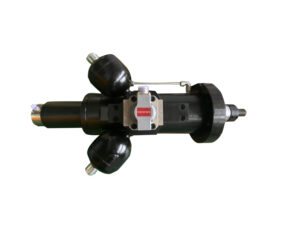
A servo valve is a high-precision, high-frequency response electro-hydraulic control part built for closed-loop control. It is a precision hydraulic component.
It takes tiny weak electrical signals as input. Inside the valve, torque motor, armature baffle and spool work step by step to amplify signals. This controls spool position accurately. The valve adjusts oil flow and pressure with great precision and fast speed. It turns small electrical signals into powerful hydraulic output. It forms high-precision closed-loop electro-hydraulic control systems.
2.Core Features of Servo Valves
- Super fast response and ultra-high control precision, with tiny repeat positioning errors
- Strong dynamic tracking ability. It fits high-frequency reciprocating motion, micro displacement control and precise synchronization control
- Great dynamic performance. No crawling at low speed, with a wide speed regulation range
- Strict requirements for hydraulic oil cleanliness. The system needs fine filters and regular oil replacement
- High cost, delicate internal structure, weak resistance to oil pollution and high maintenance difficulty
3.Common Types of Servo Valves
- Nozzle-flapper servo valves: the mainstream general type for most applications
- Jet-pipe servo valves: perform better when hydraulic oil has minor impurities
- Single-stage, two-stage and three-stage servo valves: grouped by signal amplification stages
4.Key Rules for Servo Valve Selection
- Match valves by positioning accuracy and response frequency.
- Choose servo valves first if your equipment needs high precision and fast cycle movement
- Fully match system working pressure, rated flow and load characteristics
- Confirm the types of input control signals and feedback signals
- Equip the system with high-precision oil filters to keep hydraulic oil clean
- Avoid servo valves in heavy vibration or dusty harsh environments; use proportional valves instead in such cases
- Match the valve’s rated pressure drop and flow coefficient based on your load curve
5. Simple Comparison Between Proportional Valves and Servo Valves
- Proportional valves: medium precision, medium response speed, good anti-pollution performance, durable and widely used in general industrial equipment
- Servo valves: ultra-high precision, extremely fast response, delicate structure sensitive to dirty oil, only for high-end precision machinery