What is Hydraulic AGC, and how do servo valves control strip thickness on rolling mills?
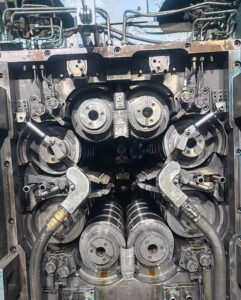
Hydraulic AGC means Hydraulic Automatic Gauge Control. It is the core electro‑hydraulic servo closed‑loop system for hot rolling and cold rolling mills.
This system adjusts the roll gap dynamically. Its main job is to keep exit strip thickness within tight tolerance.
It compensates common disturbances: incoming thickness variation, roll thermal expansion, roll wear, mill housing spring and tension fluctuation.
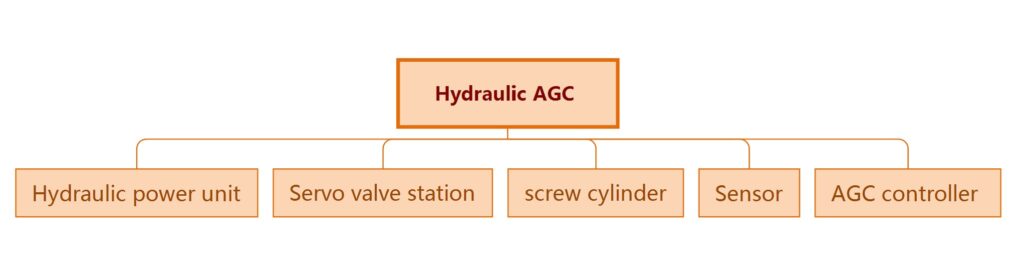
Main Components of a Hydraulic AGC System
What parts make up a complete Hydraulic AGC system?
- Hydraulic power unit: constant pressure variable pump, accumulators, circulation filtration and cooling unit. Oil cleanliness standard is NAS 7. Typical working pressure is 21–31.5 MPa.
- Servo valve station: every mill stand has one set on the drive side (DS) and one set on the operator side (OS). Servo valves carry out precise fine adjustment for thickness control. Large proportional valves plus cartridge valves handle roll change and fast roll lifting for high bypass flow.
- AGC screw‑up / screw‑down cylinder: the main actuator for roll gap movement. It comes with built‑in magnetostrictive position sensors. Pressure sensors mounted on cylinder chambers measure real rolling force.
- Sensor package: position sensor, rolling force pressure sensor, X‑ray gauge or isotope thickness gauge.
- AGC controller and servo amplifier: the controller runs multi‑loop control logic. It outputs ±10 V or 4–20 mA command signals to drive the servo valve.
Three Closed Loops in Hydraulic AGC System
How does AGC achieve precise thickness control via multiple closed loops?
- Position loop (fastest response): this inner loop controls cylinder travel and roll gap position.
- Rolling force loop: it compensates mill housing spring deformation and roll flattening under heavy load.
- Monitor thickness loop: the exit thickness gauge feeds back measured strip thickness. The system compares actual thickness with target value and updates the roll gap setpoint.
Feedforward AGC adds an entry thickness gauge. It detects incoming thickness changes early and pre‑adjusts the roll gap to reduce control lag. Tension AGC works as an auxiliary control method.
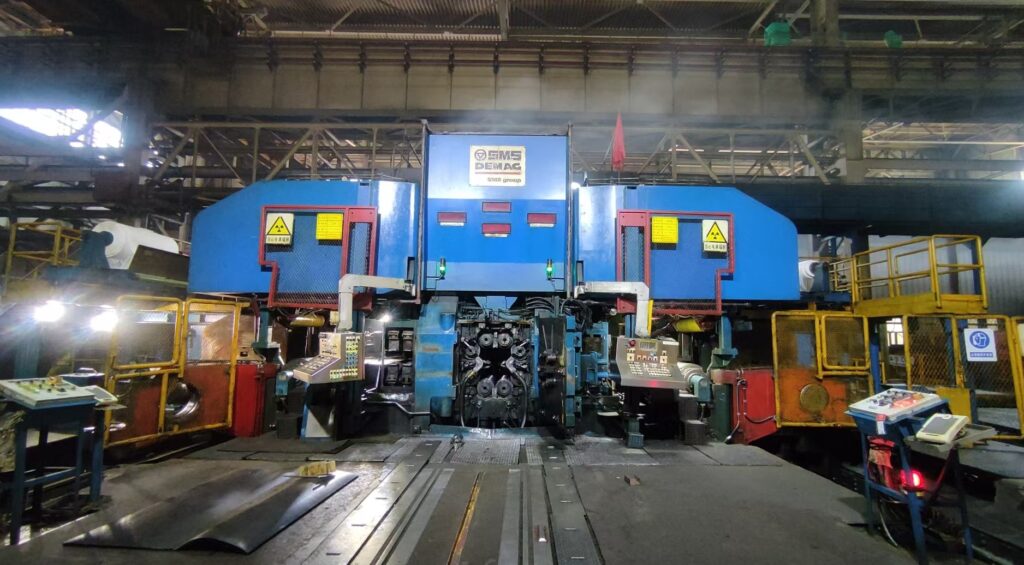
Typical Performance Targets for Industrial AGC Lines
What performance specs do modern rolling mill AGC systems require?
- Thickness tolerance: ±2 ~ 5 μm
- Roll gap adjusting speed: ≥ 2 mm/s
- System bandwidth: 50 ~ 100 Hz
- Servo valve rated flow range: 100 ~ 500 L/min
MOOG Servo Valve Selection Guide for Metallurgy AGC
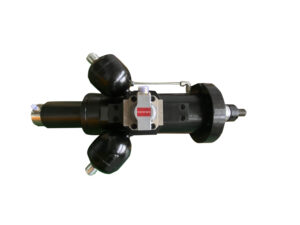
- D661 / D66X two‑stage ServoJet: the most balanced option for most medium and large rolling mills. Good flow capacity and stable dynamic response.
- D792 three‑stage servo valve: designed for heavy‑duty hot strip mills. Step response reaches 3–12 ms with high flow output.
- D634 direct‑drive servo valve: a cost‑effective choice for small rolling mill AGC.
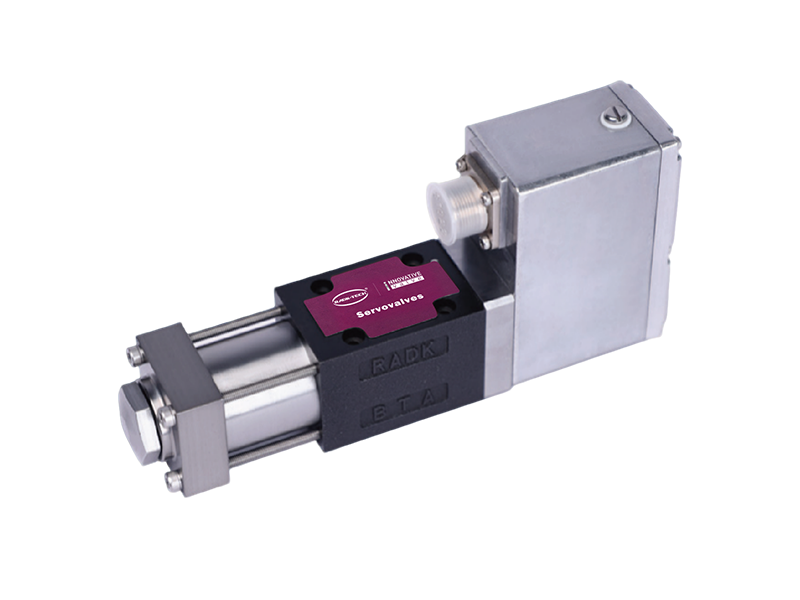

Radk Hydro servo valves D633, D661, D662, D663 and D664 are 100% drop-in replacements for equivalent Moog units. They have over 15 years of field service experience in steel production lines.
Feel free to contact us for detailed test reports to support your product selection.


Why choose these servo valves for AGC?
- They feature low hysteresis and excellent linearity.
- The LVDT feedback design is wear‑free and delivers long‑term stability.
- Dual‑valve redundant configuration is available for critical production lines. One standby valve can take over without mill shutdown if the main valve fails.
Key Technical Checklist When You Select an AGC Servo Valve
What critical parameters should you check before buying a servo valve for HAGC?
- Bandwidth (dynamic response): AGC applications need minimum 50 Hz bandwidth. Usual range 50–150 Hz.
- Contamination resistance: Jet pipe servo valves and direct‑drive servo valves perform better at NAS 7–9 oil cleanliness levels, which matches harsh metallurgy workshop conditions.
- Rated flow: Pick flow rating from 38 L/min up to 500 L/min. Match flow to your HGC cylinder size and required movement speed.
- Hysteresis & symmetry: High precision AGC requires hysteresis ≤3% and symmetry ≤5%.
- Pressure rating: Most metallurgy hydraulic circuits run at 21 MPa or 31.5 MPa. The servo valve must match this pressure rating.
- Reliability and service life: Continuous mill production demands high MTBF. Typical MTBF reaches around 220,000 hours. Fail‑safe centering and redundancy are preferred features.
Conclusion
Servo valves are the core control element of hydraulic AGC systems for strip rolling mills. Correct valve selection directly decides final thickness accuracy and line uptime.
If you need a cross reference, quotation or test report for MOOG alternative AGC servo valves, send us your mill parameters. Our engineering team can support your project.